Editorial
The 'Green Spain' concept
An educational, informational and socially responsible view of how the Iberian Peninsula is reshaping its energy and agricultural model on the road to 2030.
Global warming: the context
The planet is going through a decisive stage. Climate records of the last decade confirm that the average temperature in southern Europe has steadily risen, altering hydrological cycles, rainfall patterns and the availability of fertile soils. Spain, located in one of the most sensitive regions of the Mediterranean, follows each report from the Intergovernmental Panel on Climate Change with great attention.
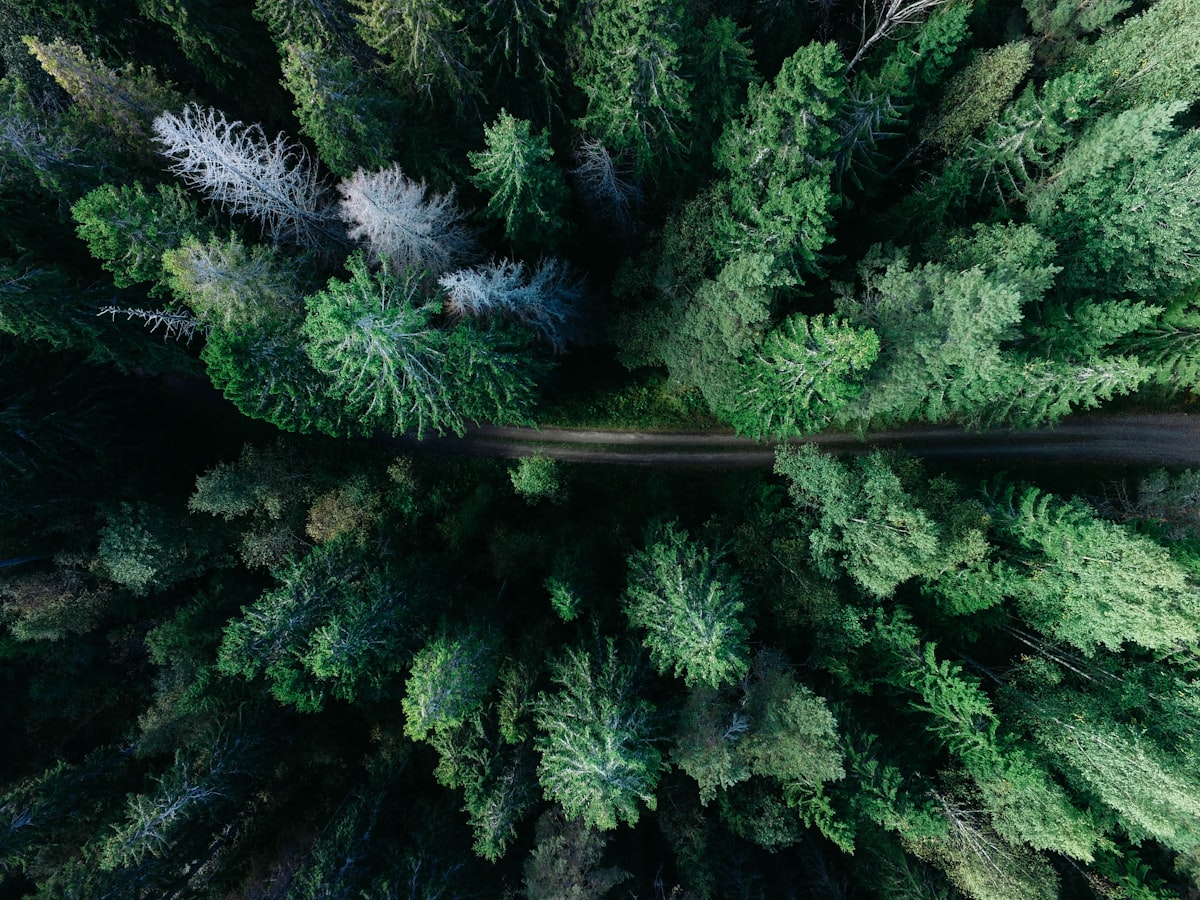
The protection of ecosystems has become a public priority. Autonomous communities such as Castilla y León, Andalucía and Extremadura are driving regional plans to adapt to climate change, with emphasis on the development of clean technologies and on environmental education for citizens. The future depends on decisions made today.
Spain's role in renewable energy
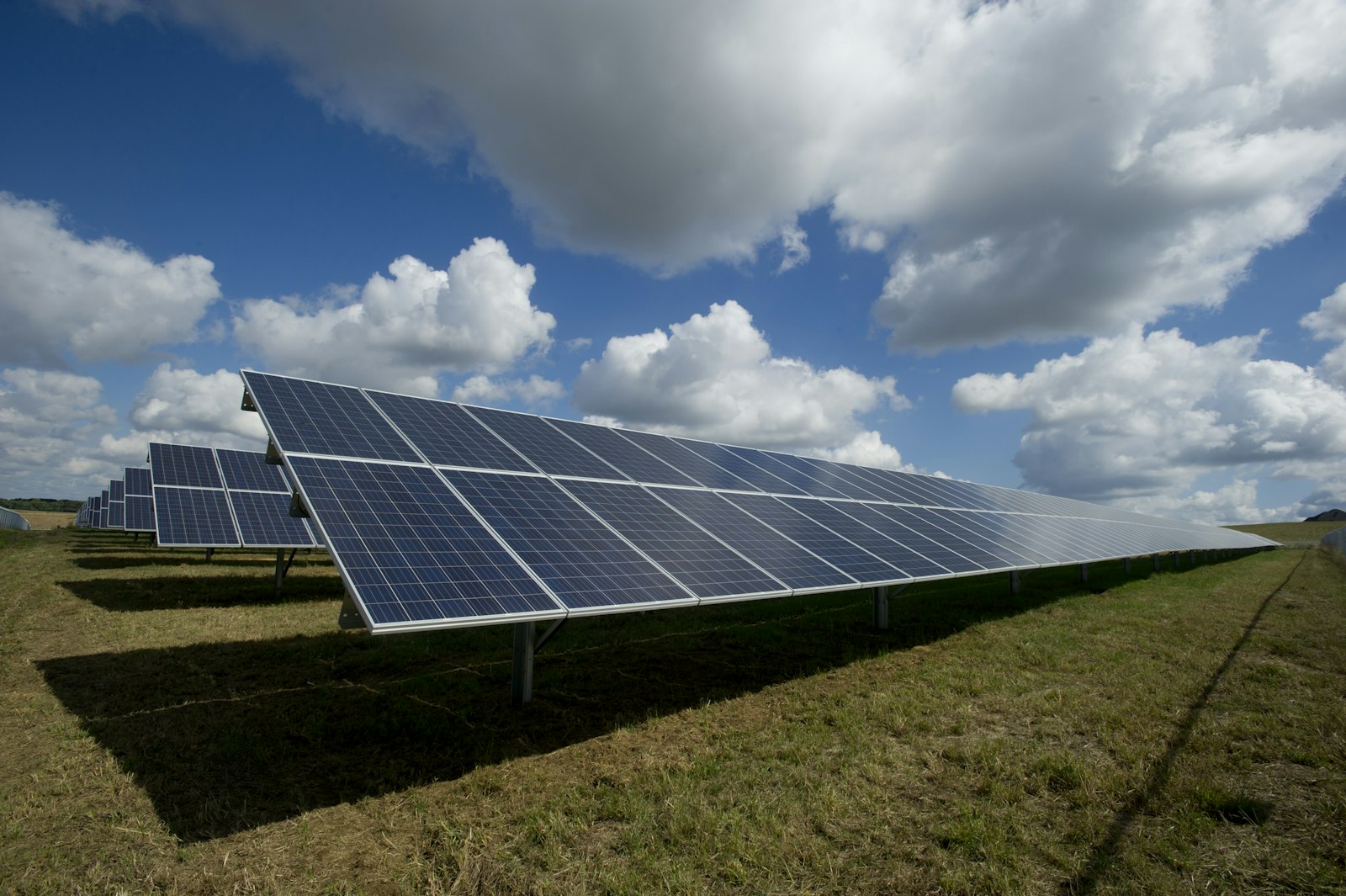
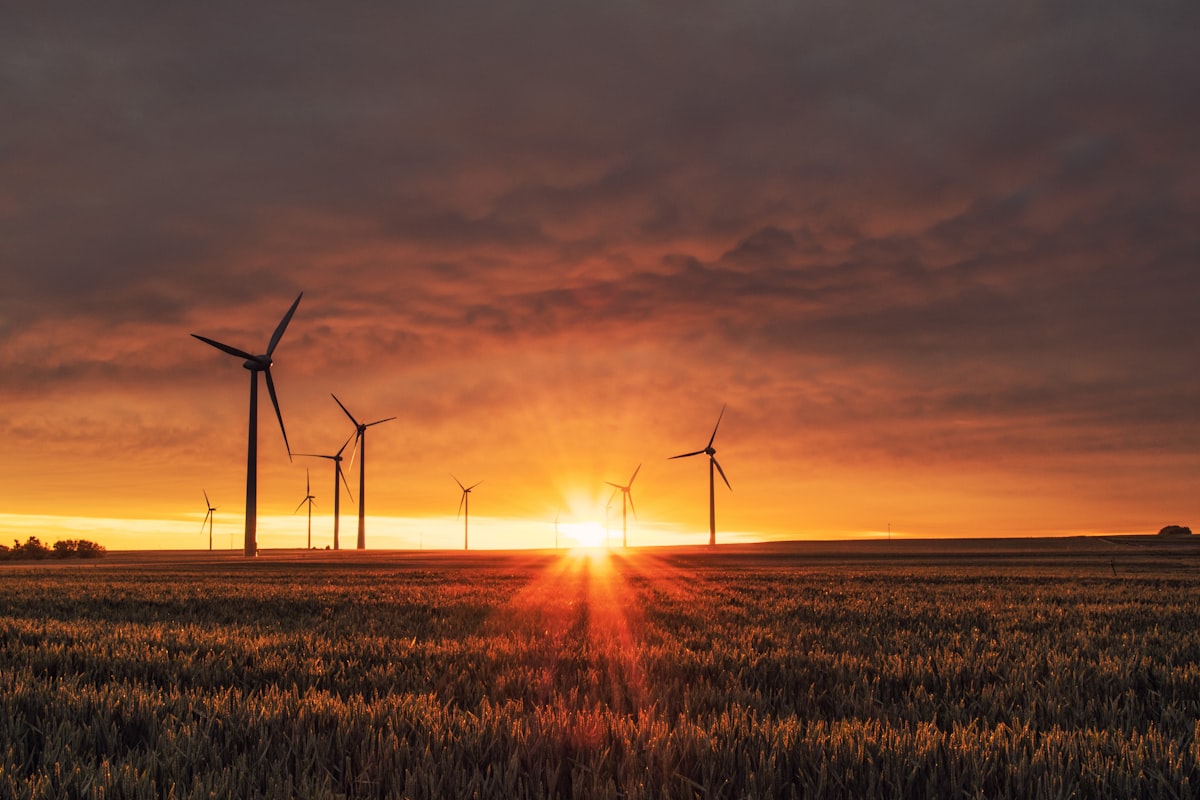
Spain holds a leading position on the European renewable energy map. Spanish energy companies, in cooperation with universities and research centres, have developed large-scale solar and wind farms in regions like Aragón, Castilla-La Mancha and Murcia. The sun, abundant and steady, has become one of the country's most valuable natural resources.
The national roadmap envisions a significant reduction of the carbon footprint by 2030. This commitment implies the development of storage infrastructure, smart grids and local energy communities, where households produce and share clean energy. Protecting the environment is not only a technical goal: it is a collective responsibility.
- Development of local energy communities in rural villages
- Protection of biodiversity through environmental criteria in every project
- Future with smart electricity grids and sustainable storage
The future of agriculture 5.0
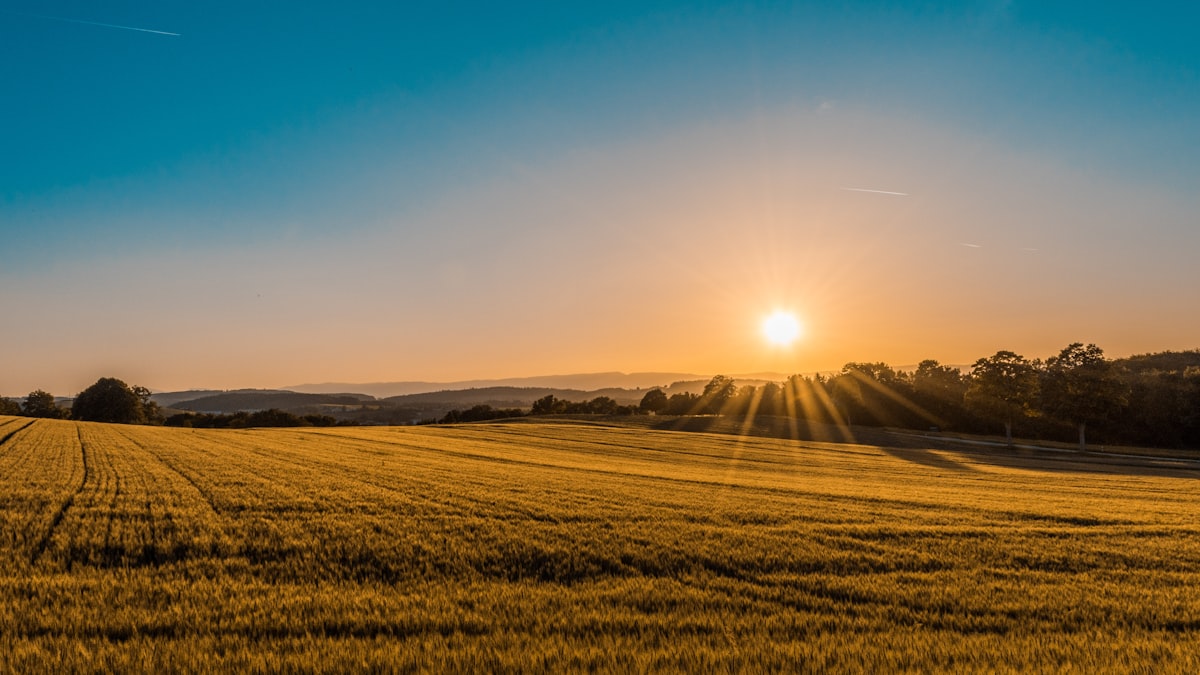
Agriculture 5.0 combines field sensors, observation satellites and artificial intelligence models to optimise the use of water and soil nutrients. In Spain this approach is particularly important due to water scarcity and the pressure on the aquifers of the southeastern peninsula.
Agricultural cooperatives and innovation centres work on crop varieties more resistant to drought, as well as precision irrigation systems. The aim is clear: to guarantee the protection of the soil, the sustainable development of rural areas and a stable food future for the coming generations.
“True development is only possible if we protect the land our children will inherit.”
Looking at the 2030 horizon
The 2030 horizon marks a turning point. Public reports agree that the combination of solar energy, wind power and smart agriculture can place Spain as a European reference in ecological transition. The key is to maintain an open dialogue between public administrations, the scientific community and citizens.